Reviewed

Nexus Market overview

Nexus Market is a Tor-only darknet marketplace that launched in late 2023 and has continued to grow through 2026. This page explains what the market is, how Physical Mode and Digital Mode work, how escrow and payments are set up, and where to go next for official onion addresses or Tor setup.

What Nexus Market is

A single-brand Tor marketplace — not a multi-market directory

Nexus Market is a darknet marketplace reachable only over Tor. It sells both physical goods that need shipping and digital products that deliver inside the platform. Buyers and vendors meet through market accounts, listings, and escrow rather than open clearweb checkout.

The project appeared in late 2023 and is often described as a newer-generation market relative to older Tor shops: a more contemporary interface, a dual-mode storefront, and escrow built around 2-of-3 multisignature wallets. Public write-ups through 2025–2026 consistently frame Nexus as an expanding alternative rather than a legacy clone of pre-2020 markets.

This clearweb site is an informational resource about Nexus — it is not the onion market UI itself. Onion addresses live on the official Nexus links page so overview content and link-seeking intent stay on separate URLs.
Physical Mode and Digital Mode

Same backend, two browsing layouts

Physical Mode

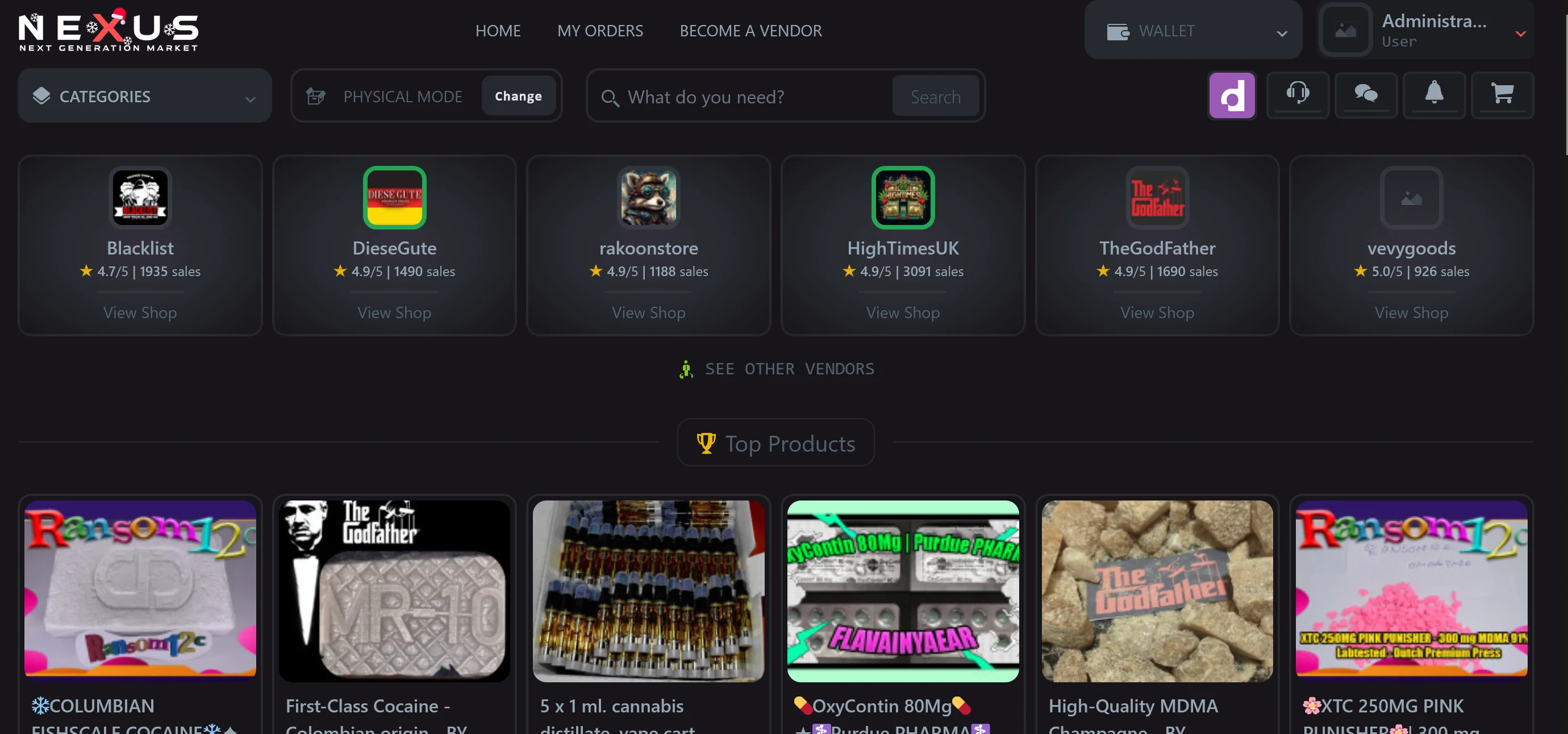
Physical Mode tilts the storefront toward shipped goods. Listing detail for stealth packaging notes, shipping origin hints, and delivery windows sits closer to the top of each product page. Vendors who mainly move tangible stock tend to surface here, and buyers who care about transit risk usually stay in this mode while they browse.

Orders still settle through market escrow. The mode change is a UI and discovery preference, not a separate marketplace with a different balance.

Digital Mode

Digital Mode strips the interface toward accounts, licenses, files, and other inventory that can deliver without a postal trail. Instant or near-instant fulfillment categories sit forward; shipping fields matter less. If you only buy digital stock, switch once and leave it there.

You remain on the same Nexus account and wallet. Switching modes does not reset deposits, open disputes, or message history — it only changes how the catalog is organized.

Escrow, coins, and order flow

How money and finalize steps are described publicly

2-of-3 multisig escrow

Nexus is widely described as using a 2-of-3 multisignature escrow model. Funds for a protected order sit where release needs two of three parties — typically buyer, vendor, and market — to move coins. That design limits single-key exit scams compared with markets that hold deposits in a hot wallet alone, though it still depends on how disputes are handled in practice.

Finalize Early (FE) and auto-finalize rules still matter. Buyers who skip escrow protections for convenience take on more vendor risk; the buyer practices page covers how those choices feel on Nexus without inventing trust scores.

Bitcoin and Monero

Deposits are accepted in Bitcoin (BTC) and Monero (XMR). Monero is the privacy-preferring option for many darknet buyers because the ledger does not expose the same transparent graph as Bitcoin. Bitcoin remains available for users who already hold BTC and accept the chain analysis trade-offs. Wallet setup and purchase paths are covered in the Monero guide.

Accounts across mirrors

Published Nexus mirrors front the same marketplace. Your username, balance, and orders are expected to follow you when you open a backup onion. That is why this overview does not treat each mirror as a separate shop — and why the links page lists a small fixed set instead of dozens of lookalike addresses.

For deposit screens, finalize habits, and mode switching from a buyer angle, see how Nexus works for buyers.

Access gates and messaging

What you usually meet before and after login

DDoS and antibot layers

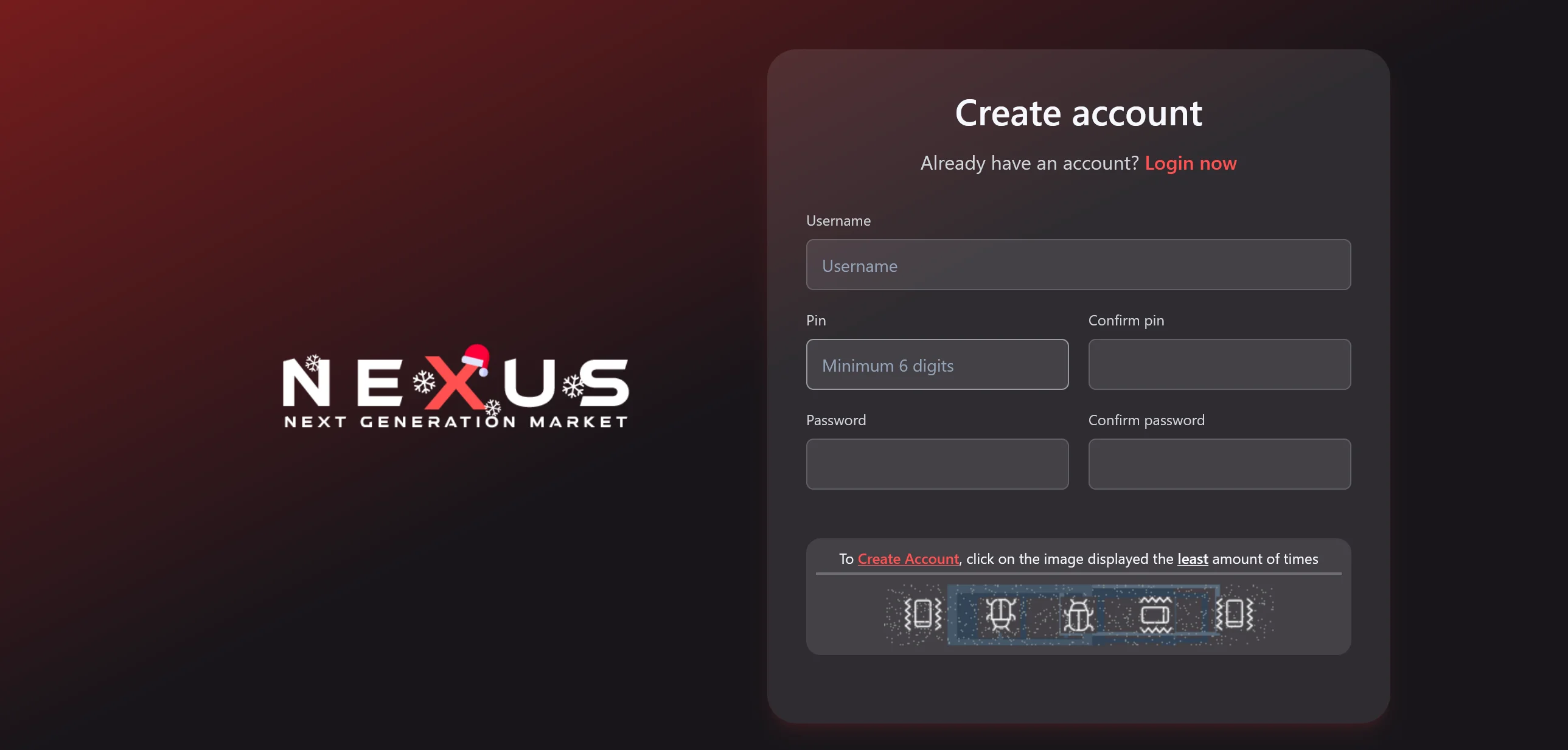
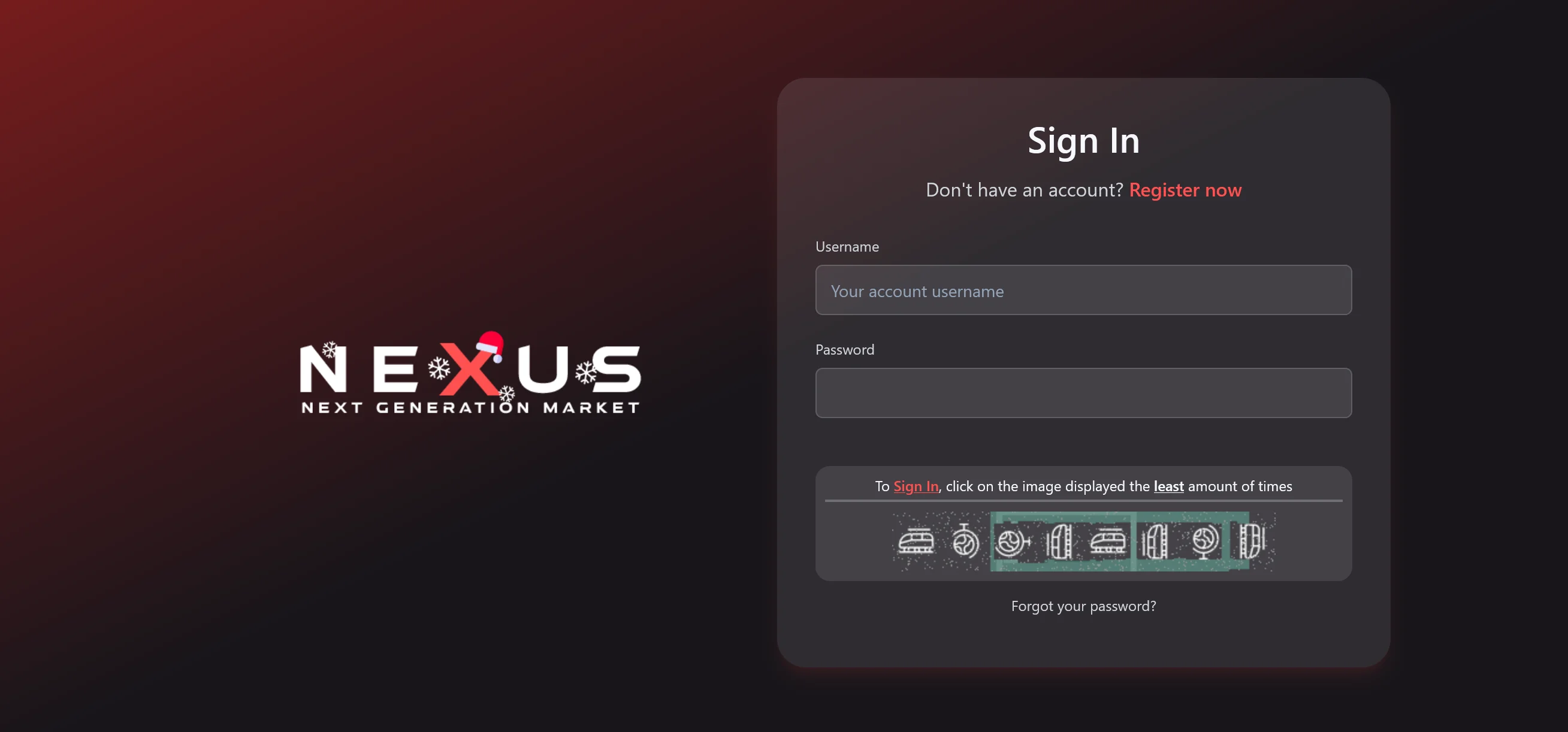
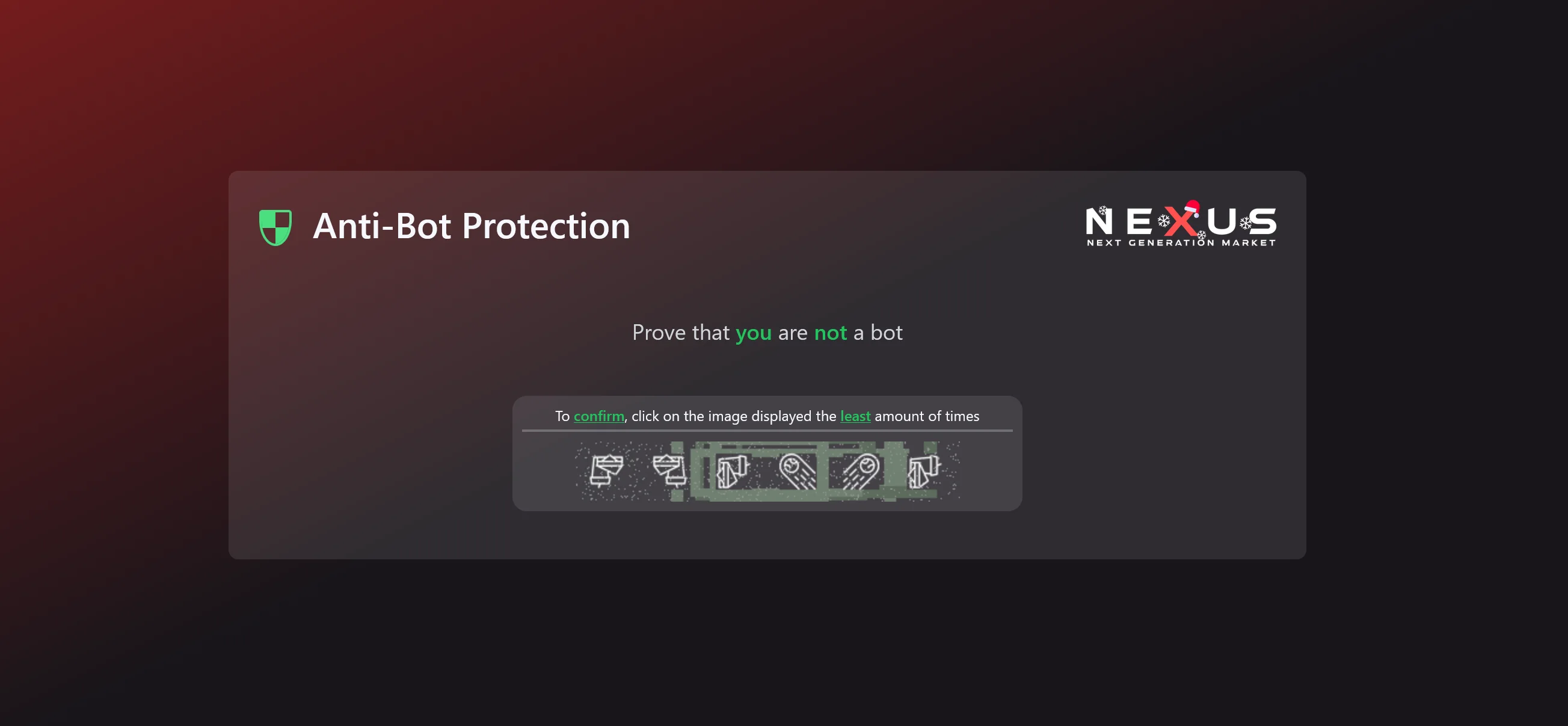
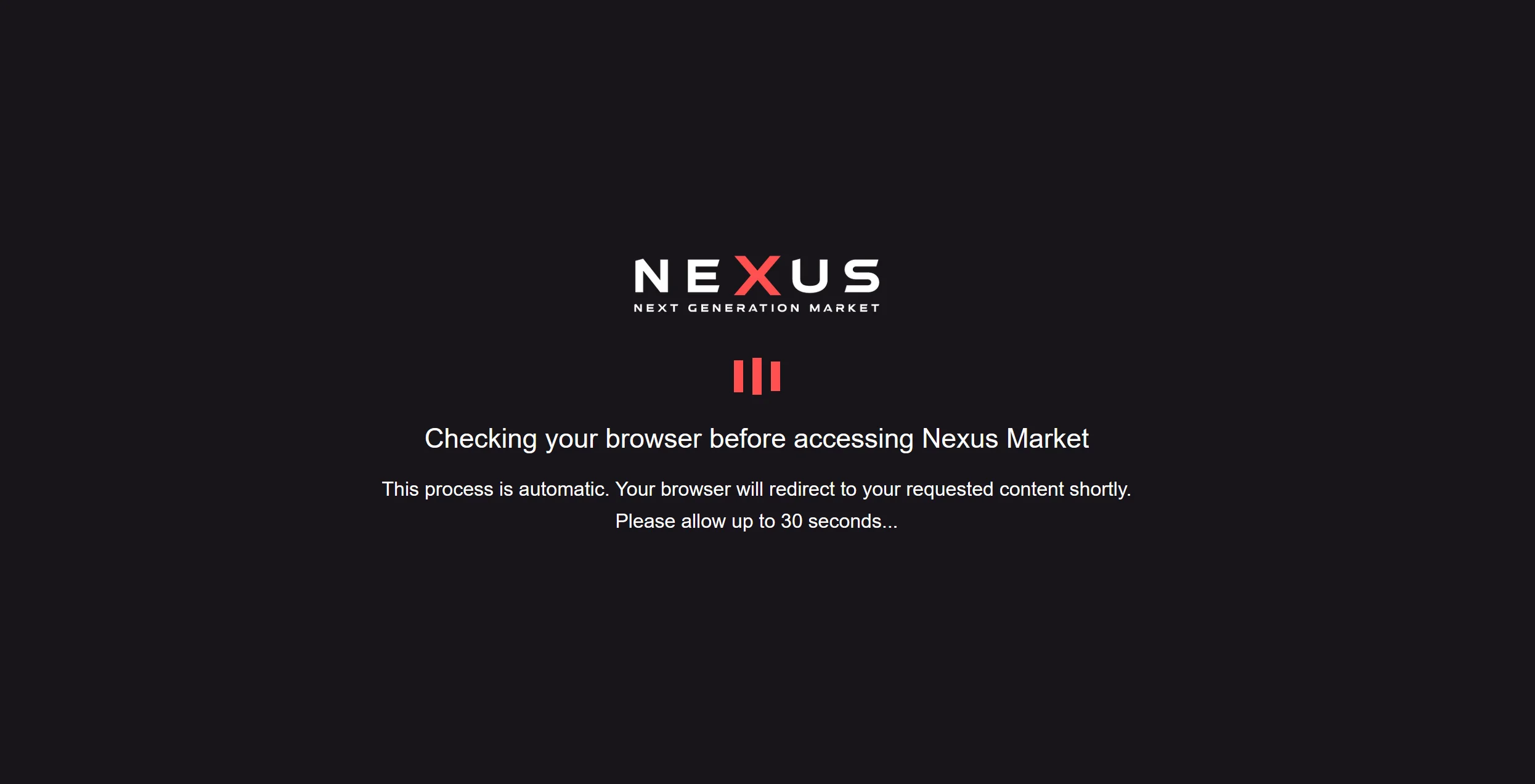
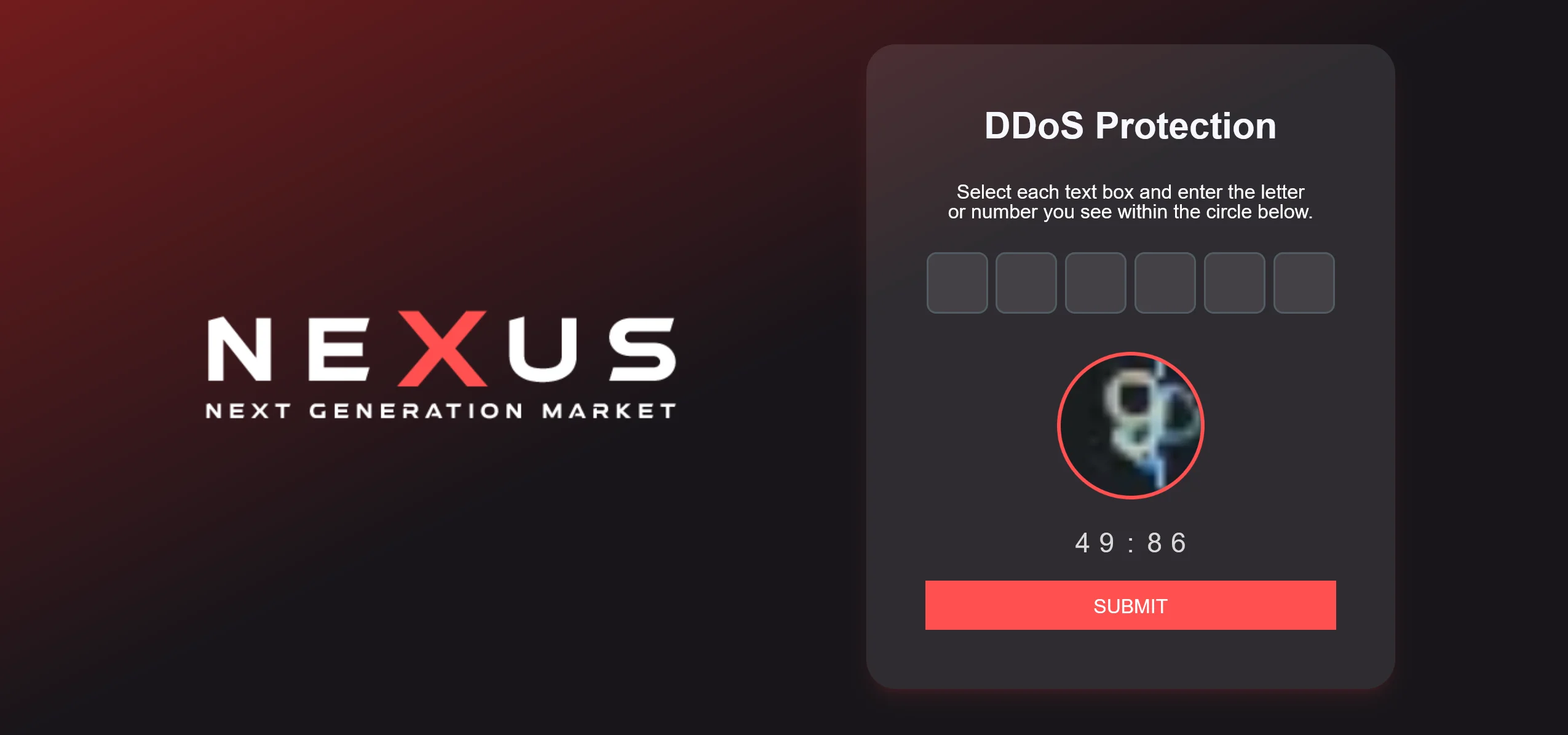
Like other large Tor markets, Nexus sits behind wait screens and captcha-style antibot checks before the storefront loads. Those gates slow automated traffic and can feel like downtime when Tor circuits are unhealthy. If a page spins forever, try a new circuit or a listed mirror before assuming the whole market is offline — details on connection help.

PGP on vendor chat

Vendor messaging supports PGP so addresses and sensitive notes can stay encrypted end to end. Buyers who ship physical orders are expected to handle public keys carefully. The PGP tutorial covers key generation and encryption without mixing that job into this overview.

How people usually start

Orientation only — deep steps live on specialist pages

1

Install Tor Browser

Download Tor from torproject.org. Our Tor download page and access guide cover install and first-run details.

2

Open an official Nexus address

Use the addresses on the official Nexus links page — not random forum pastes. That URL owns the current primary and backup onions for this resource.

3

Register, enable 2FA, fund carefully

Expect captcha before login. Use a unique username and password, turn on 2FA when offered, deposit only what you plan to spend, and prefer escrow over FE until you know a vendor.

4

Pick the right mode, then browse

Switch to Physical or Digital Mode based on what you buy. Connection trouble after that belongs on Is Nexus down?, not on this overview.

What the UI path looks like

Screenshots of gates and storefront after you paste a Nexus onion